You are sitting in the living room when you hear a familiar thud. You walk into the kitchen to find your cat staring blankly at you, a freshly dropped pen or shattered glass resting on the floor below them. It is incredibly frustrating, and it is easy to assume your cat is simply misbehaving on purpose.
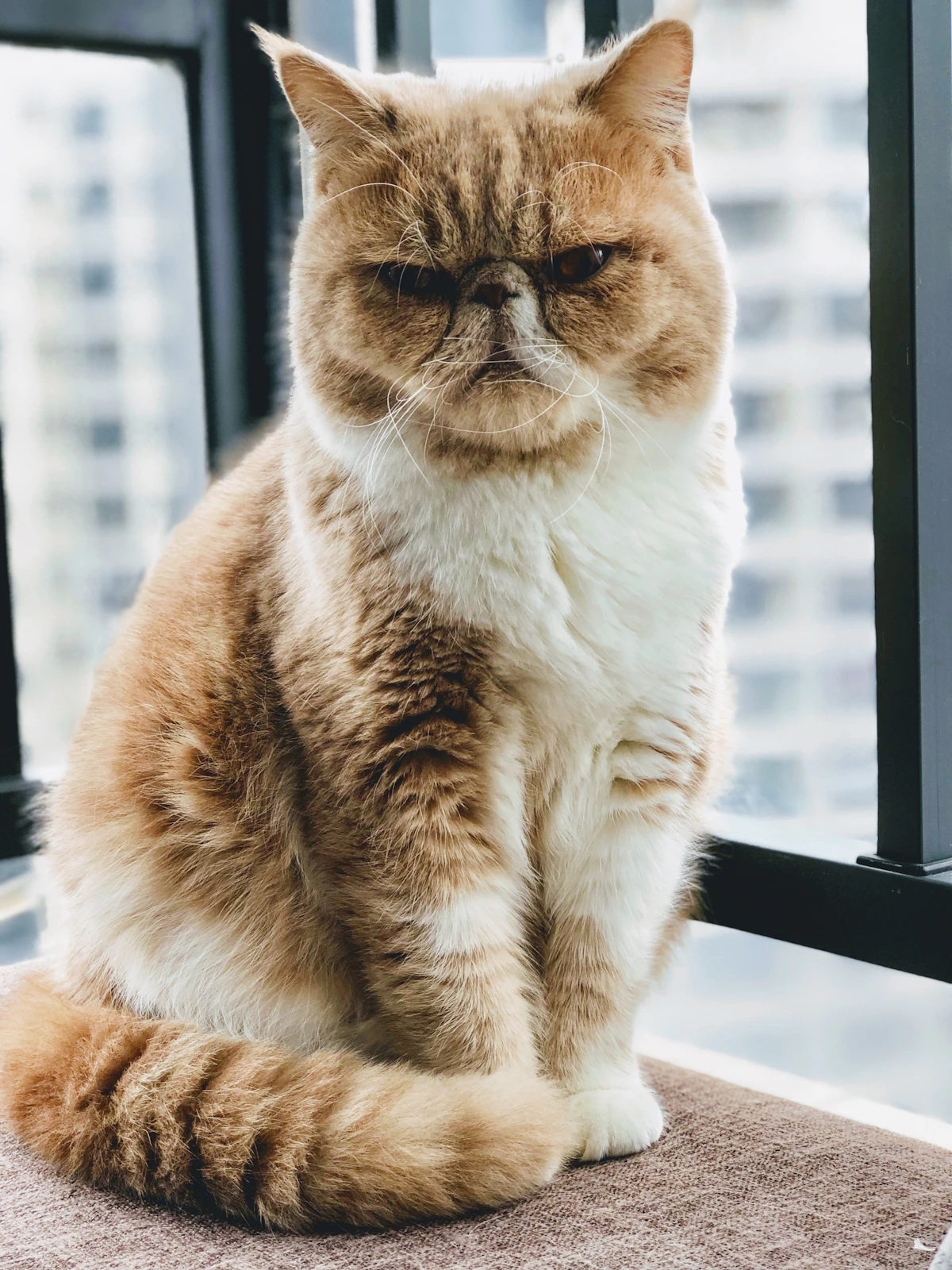
The truth is that cats do not knock things over out of spite. This maddening habit is deeply rooted in feline biology, sensory exploration, and learned behavior. Once you understand the underlying triggers, you can take simple steps to protect your belongings and redirect their energy.
The 3 Reasons Cats Knock Things Over
To stop the behavior, you first need to identify which of these three instincts your cat is acting on:
- The Hunting Instinct: Cats are hardwired predators. In the wild, they bat at potential prey to test if it is alive, safe to attack, or dead. A chapstick tube on a table mimics the size of a mouse, and swatting it off the edge is your cat's way of testing for movement.
- Sensory Exploration: A cat's paw pads are packed with highly sensitive nerve receptors. They use their paws to gather information about their environment. Batting an object allows them to test its weight, texture, and sound.
- Attention Seeking: Cats are incredibly smart. They quickly learn that pushing a glass off the counter results in you jumping up, speaking to them, and interacting. Even if you are scolding them, negative attention is still attention to a bored cat.
How to Stop the Swatting Habit
You cannot train the predator instinct out of a cat, but you can successfully manage the environment and redirect their focus using these three practical steps.
1. Eliminate the Payoff (Ignore the Behavior)
If your cat is knocking things over for attention, you must break the reward cycle. When they push something off a table (and it is not dangerous or breakable), do not react. Do not yell, do not make eye contact, and do not pick the item up immediately. Wait until they leave the room to reset the space.
2. Clear High-Value Target Zones
Management is easier than training. Cats love to patrol high vantage points. Keep your primary surfaces (nightstands, kitchen counters, and coffee tables) clear of lightweight, easily swattable items like pens, loose coins, and fragile decor.
3. Provide Appropriate Swatting Outlets
If your cat has a strong drive to bat objects, give them things they are actually allowed to hunt. Rotate their toys weekly to keep them novel, and introduce puzzle feeders that require them to use their paws to extract food.
Gear That Helps Redirect Pawing
Here are a few quick solutions to help satisfy your cat's natural instincts safely:
| Tool | How It Helps |
|---|---|
| Motion-Activated Laser Toys | Burns off excess hunting energy when you are not able to actively play with them. |
| Interactive Puzzle Feeders | Forces the cat to use their paws to dig for kibble, satisfying the exact same instinct as knocking items off tables. |
| Window Perches | Gives them a high-value vantage point focused outward on birds rather than inward on your belongings. |
By understanding that your cat is simply being a cat, you can stop feeling frustrated and start making simple environmental tweaks. Clear your counters, ignore the attention-seeking drops, and redirect their paws to proper toys, and your breakables will be safe once again.