If your cat regularly turns their nose up at fresh food, walks away from their bowl, or only eats when hand-fed, you know how frustrating mealtime can be. Cat owners often worry, "Why is my cat so picky with food?" or "Are they sick, or just being stubborn?"
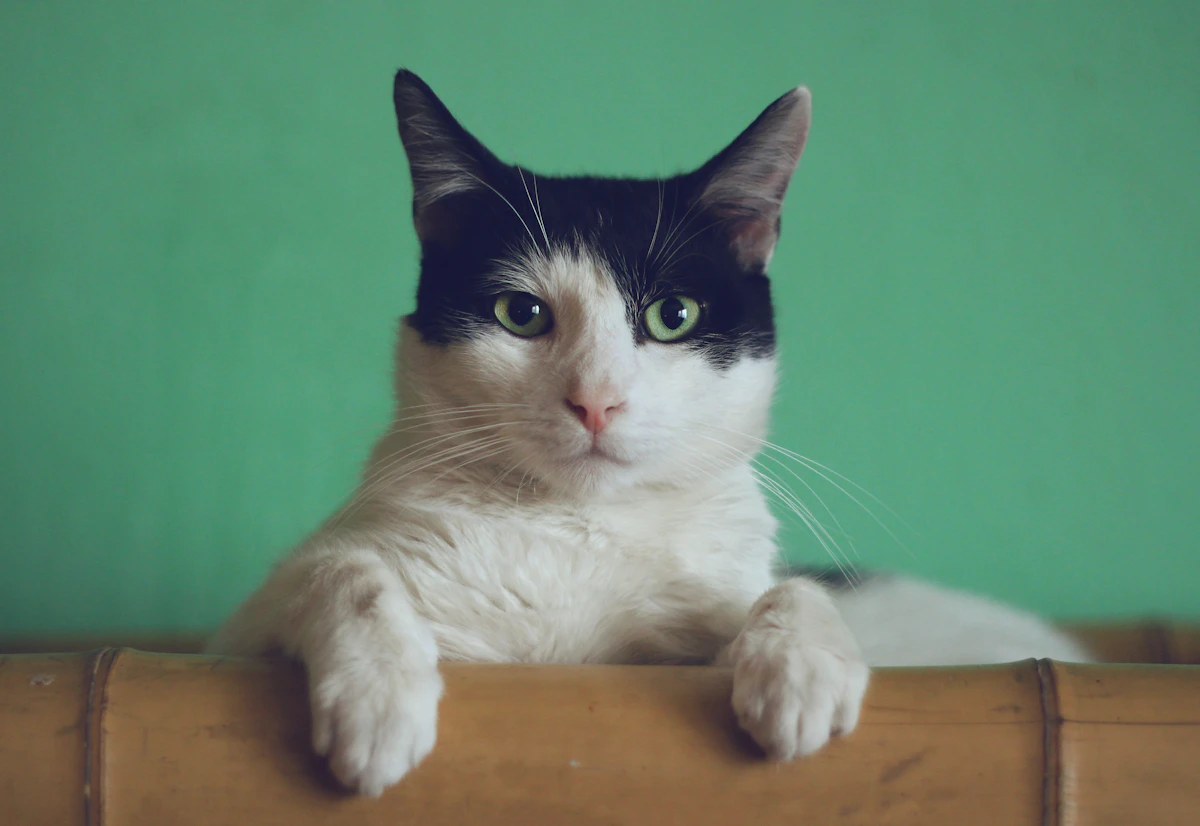
The short answer: Cats are obligate carnivores with extremely sensitive senses. What looks like picky eating is often a response to bowl shape, food temperature, texture preference, or minor environmental stress. Understanding why your cat is refusing their food allows you to fix the problem without turning mealtime into a battle.
1. Root Causes of Picky Eating in Cats
Before changing foods or buying expensive toppers, look at these biological and environmental triggers:
- Whisker Fatigue: Deep, narrow bowls press against your cat's sensitive whiskers while eating, causing physical discomfort and sensory overload.
- Food Temperature: Cats naturally prefer food served at body temperature (~100°F). Cold food straight from the refrigerator lacks aroma and triggers instincts to avoid cold prey.
- Bowl Location Stress: Placing food bowls near litter boxes, noisy appliances, or in high-traffic hallways makes cats feel vulnerable while eating.
- Stale Dry Food: Kibble left in open bags loses its fat coating aroma through oxidation, making it unappetizing after a few weeks.
2. Step-by-Step Mealtime Reset Plan
Never starve a cat to force them to eat—fasting for more than 24–48 hours can trigger hepatic lipidosis, a serious liver condition. Instead, use this safe 3-step adjustment plan:
Step A: Switch to Flat, Shallow Dishes
Replace deep plastic or metal bowls with wide, shallow ceramic saucers or elevated stainless steel plates designed to leave whiskers completely untouched.
Step B: Warm Up Wet Food
If feeding canned food, warm it in the microwave for 5 to 8 seconds (or stir in a tablespoon of warm water) to release fatty aromas before placing the bowl down.
Step C: Establish Scheduled 20-Minute Meals
Stop free-feeding kibble all day. Put food down for 20 minutes, then remove what remains. Scheduled feeding creates a healthy natural appetite cycle.
3. Gear Guide: Solutions for Picky Eaters
Simple feeding tool upgrades can dramatically improve mealtime success:
| Option | Why It Helps | Key Feature to Look For |
|---|---|---|
| Whisker-Relief Dishes | Prevents physical whisker irritation and sensory stress during meals. | Shallow, wide-oval ceramic or stainless steel design. |
| Elevated Food Stand | Promotes better posture and smoother digestion, especially for older cats. | Tilted 15-degree platform raised 2 to 4 inches off the floor. |
| Single-Serve Wet Food Toppers | Adds intense natural aroma to kickstart appetite without changing core diet. | Pure salmon or chicken broth free from artificial thickeners or salt. |
Final Takeaway
Fix picky eating by optimizing how and where food is served. Swap to a wide, shallow dish, serve food at room temperature or warmer, and establish consistent daily feeding times to restore your cat's natural appetite!